

Professional Termite Inspection in Los Angeles
Looking for an experienced termite home inspection in Los Angeles? My Termite Company is a licensed and professional termite inspection company serving all Los Angeles neighborhoods, including Echo Park, Silver Lake, Beverly Hills, Downey, Burbank, Alhambra, Glendale, Pasadena and beyond. Our team provides fast, affordable, and highly detailed residential termite inspections across all neighborhoods in LA.
A thorough termite inspection helps determine:
- The type of termites affecting your property
- Where they are located
- The extent of any infestation
All inspections are performed by licensed termite inspectors in Los Angeles, ensuring accurate findings, clear recommendations, and reports that meet WDO (Wood Destroying Organism/WDI) requirements for escrow and lender compliance.
Whether you need a same day termite inspection or emergency inspection, a real estate escrow report, a Section 1 termite clearance, or a pre-purchase termite inspection, My Termite Company recommends the most effective solution to eliminate termites and prevent future infestations.
Did you know, termites cause roughly $5 Billion in damage a year!
What to Expect During Your Termite Inspection in Los Angeles
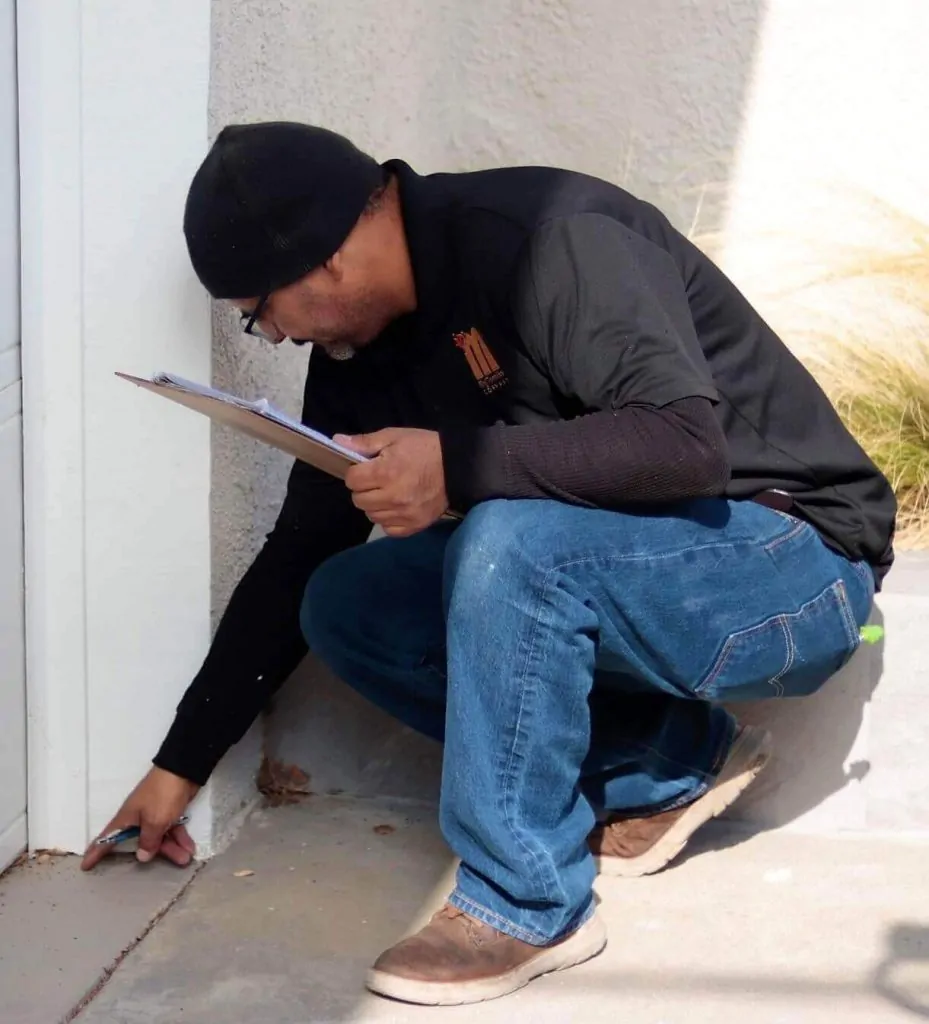
When you schedule a termite inspection with My Termite Company, a licensed termite inspector conducts a thorough walkthrough of your Los Angeles property, documenting your home’s age, construction type, and prior treatments. The exterior inspection examines foundation walls, eaves, fascia boards, decks, fences, and earth-to-wood contact points for mud tubes, frass, exit holes, and wood damage. Interior inspection covers window and door frames, baseboards, closets, cabinets, and garage. Full and Pro packages include attic, crawl space, roof framing, joists, and plumbing penetrations. Pro inspections add moisture assessment for water leaks, drainage issues, and conditions favoring subterranean termites and wood-destroying fungus. You receive a written report with photos, treatment recommendations, and pricing. Escrow inspections include formal WDO reports meeting Los Angeles lender and title company requirements.
Our 3 Termite Inspection Packages
Transparent Pricing – No Hidden Fees, No Surprises
Free
$0
Perfect for Quick Estimates
Best for homeowners who want a fast estimate for fumigation or a quick termite check before scheduling treatment. This is our free termite inspection option.
Full
$60*
Most Popular for Homeowners
* Starting price. Price increases if property is greater than 2,000 sq ft
Ideal for homeowners with a contractor or handyman scheduled for repairs who need termite treatment only.
Pro
$85*
ULTIMATE Protection Package
* Starting price. Price increases if property is greater than 2,000 sq ft
This inspection is generally for those who want the most thorough inspection to protect their property from any current termite infestation or conducive conditions for termite infestations.
Already Have a Termite Report? Get a Free Second Opinion
A termite report from another company is not the final word. My Termite Company offers a free second opinion inspection for anyone who already has a termite report from another Los Angeles inspector.We review your existing report, walk the same areas it covers, and tell you plainly if the findings hold up and if the recommended treatment is the right one. If we find the same issues, we give you a straightforward price. If we find the report overstated the problem, we tell you that too.
Call (818) 940-0203 or request your free second opinion inspection online.
Depending on the inspection package you request, our licensed termite inspectors examine the following structures for signs of termite activity, dry rot, wood damage, or moisture issues:
- Window frames
- Attic
- Crawl space
- Roof Eves
- Sidings
- Patio / Decks / Porches
- Garage
- Door frames
- Anything of wood excluding furniture
Common signs of termites in a house include termite droppings (frass), mud tubes, discarded wings, and hollow-sounding wood.
If you purchase a PRO inspection, our inspectors will also check for these conditions that can lead to termite infestations:
- Fungus
- Dry Rot
- Wet Rot
- Water stains
- Wood damage
- Wooden debris
- Drainage issues
Our inspection reports will be written and easy to understand.
In addition to detailing any termite findings, paid reports will also provide recommendations and pricing.
LOOKING FOR A FREE QUICK PHONE FUMIGATION ESTIMATE? CLICK HERE!
Advantages
Benefits of Professional Termite Inspections
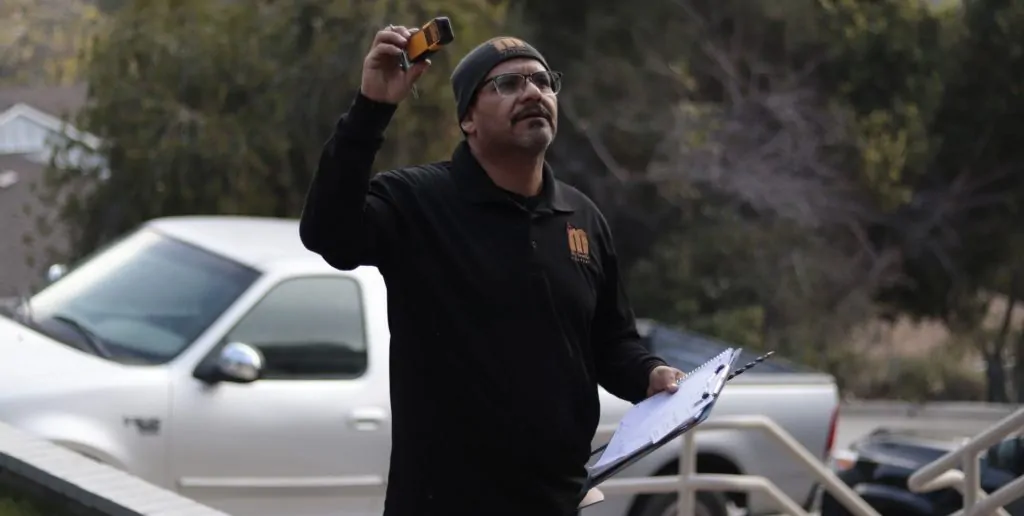
Regular termite damage inspections are one of the smartest ways to protect your Los Angeles home from costly structural damage. Even a small colony can cause hundreds or thousands of dollars in repairs, which is why experts recommend scheduling a professional termite inspection at least once a year.
Understanding the real termite inspection cost Los Angeles homeowners face becomes much easier when problems are caught early, long before major structural damage develops.
Annual termite inspections offer several important benefits:
- Stops colonies early before they grow, reproduce, and spread into new areas of your home
- Protects wooden structures such as beams, decks, stairs, and posts from weakening or collapsing
- Keeps your home and family safe by identifying hidden threats before they turn into major hazards
- Provides peace of mind, knowing your property is protected and monitored by certified termite inspectors
- Satisfy lender and escrow requirements with a formal termite report for home purchase or sale
In addition to homeowners, we provide termite inspections for real estate agents handling escrow transactions, remodeling contractors who need pre-construction clearance, home builders requiring new construction inspections, and property managers overseeing apartment buildings and rental properties in Los Angeles.
Faqs
Most common termite inspection questions
Los Angeles
Termite inspection near you
My Termite Company provides comprehensive termite inspection across Los Angeles County from our Northeast Los Angeles office in Eagle Rock. We proudly serve a 30-mile radius including Pasadena, Glendale, Burbank, Hollywood, Silver Lake, Echo Park, Highland Park, Los Feliz, Atwater Village, Mount Washington, Glassell Park, and many more neighborhoods.
Enter your zip code below to instantly check if we serve your exact location and get fast, reliable, and effective termite inspection!
