

Is It Unhealthy to Live in a House with Termites?

Yes, Living with an untreated termite infestation created real heatlh risks – not just structural ones. The conversation about termites usually focuses on wood damage and repair costs. The health effects are less discussed but equally serious, particularly for households with children, elderly members, or anyone with respiratory conditions.
This page explains the specific health risks of living with termites, what termite frass does to indoor air quality, and why acting quickly protects both your home and your family.
5 Health Risks of Living with an Active Termite Infestation
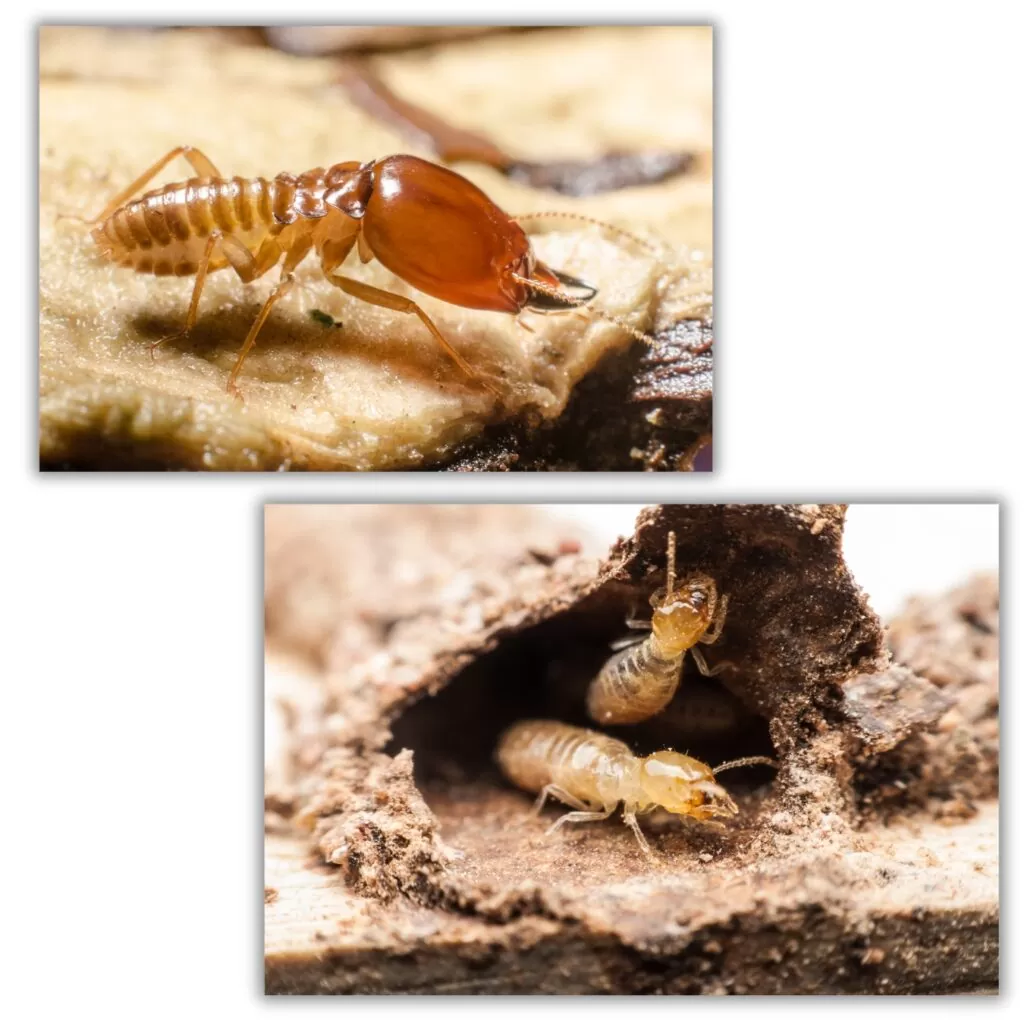
1. Termite Frass Triggers Allergies and Asthma
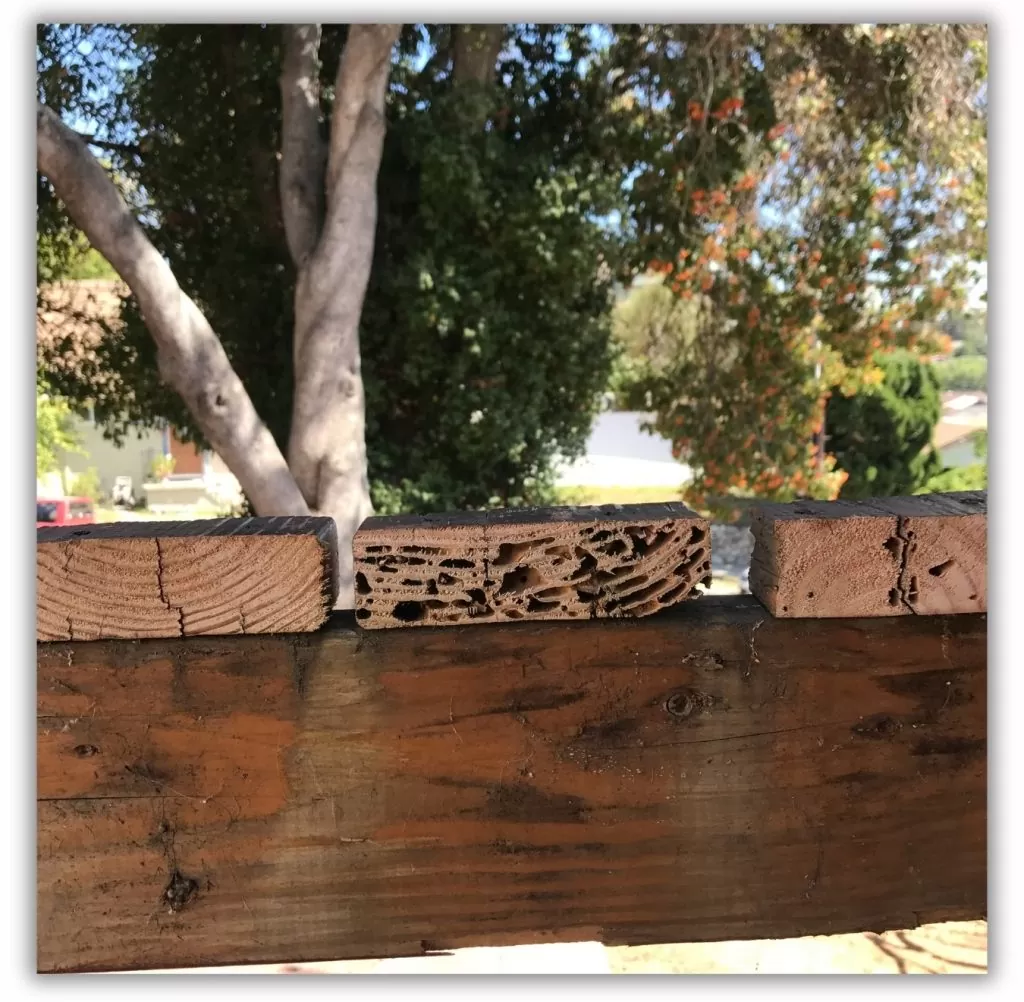
Drywood termites produce frass, dry, hexagonal pellets of compressed waste which they push out of small kick holes in infested wood. Frass accumulates inside walls, in attic spaces, and on surfaces below infested wood.
Frass contains termite excretions, wood particles, and fungal spores from the wood being consumed. For sensitive individuals, airborne frass particles act as allergens.
Documented symptoms linked to frass exposure include:
- Persistent sneezing, runny nose, and itchy or watery eyes.
- Skin irritation or rashes in some individuals.
- Worsening of existing asthma symptoms.
- Unexplained respiratory symptoms that improve when the person leaves the home.
If household members experience these symptoms without a clear cause, and the symptoms improve outdoors, an active drywood termite infestation may be a contributing factor. You can read more at Wyndly.
2. Moisture Damage Creates Mold Growth
Subterranean termites require moisture to survive, and their presence is frequently concentrated in areas with existing water damage. Termite activity can also introduce moisture into wood through mud tubes and burrowing, which accelerates mold colonization.
Mold exposure causes respiratory symptoms, headaches, and fatigue. In homes with poor
crawlspace or attic ventilation, common in older Los Angeles residential construction, mold from termite damaged areas can spread undetected for years. By the time visible mold appears, significant exposure has already occurred.
3. Structural Weakness Creates Physical Danger
Termite damaged structural members can fail without visible warning. Load-bearing beams,
floor joists, stair stringers, and subfloor framing weakened by years of termite activity can give
way under normal household use.
This is not a hypothetical risk. Termite related structural failures are a documented cause of
residential injuries in California. Watch for:
- Floors that flex, bounce, or feel spongy when walked on.
- Doors or windows that stick, warp, or refuse to close properly.
- Visible sagging in ceilings, floors, or rooflines.
- Cracks appearing along wall-ceiling junctions or around door frames.
You can sometimes hear termites before you see the damage. Worker termites make faint clicking or resulting sounds inside walls as they feed, and soldier termites bang their heads against wood to warn the colony of danger.
4. Skin and Eye Irritation During Swarms
During termite swarm events, large numbers of reproductive termites emerge inside the home and shed their wings on surfaces, furniture, and floors. Direct contact with termite bodies, wings, and secretions can cause skin irritation and eye irritation in sensitive individuals. Swarm events are more common in late summer and early fall in Los Angeles.
5. Chronic Stress from Living With an Unresolved Infestation
Research on environmental stressors consistently shows that pest infestations correlate with
elevated anxiety, disrupted sleep, and a reduced sense of home safety. Homeowners dealing with active termite infestations particularly when damage is visible, or the financial uncertainty of repair costs is present experience measurable stress. Resolving the infestation is the most direct way to address this.
Is Termite Frass Toxic to Humans?
Termite frass is not acutely toxic in the way that chemical pesticides are. However, it is an
allergen and an irritant, particularly in enclosed or poorly ventilated spaces. Prolonged exposure in attics, crawlspaces, or rooms with active drywood termite colonies is the primary concern.
Important: Do not sweep or vacuum termite frass without wearing an N95 dust mask.
Disturbing frass sends particles airborne and significantly increases inhalation exposure.
Have the area professionally assessed and remediated as part of your treatment plan.
Can Termites Bite Humans?
Termites can bite but rarely do. Worker termites have small mandibles and are not aggressive
toward humans. Soldier termites have larger mandibles and may bite if directly handled, but
they do not seek out humans. The health risks from termites come from frass, structural
hazards, and associated mold – not bites.
Can Termites Spread Disease?
Termites are not known vectors of human disease the way mosquitoes, ticks, or rodents are.
They do not carry pathogens that transfer to humans through contact or bites. The health
concerns from termites are indirect: frass allergens, mold from moisture damage, and structural failure risk.
How Long Is It Safe to Wait Before Treating Termites?
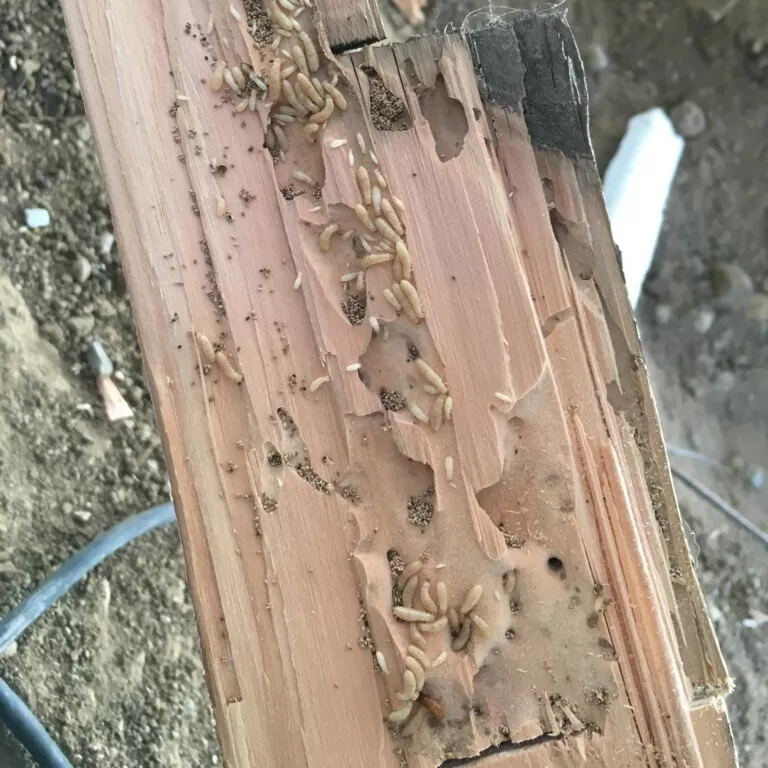
There is no safe waiting period. Every month of delay allows the colony to grow and the damage and associated health risks to increase. Frass accumulation increases with colony size. Severity determines how much risk you carry right now. A small, newly formed colony in one area creates a different risk level than years of unchecked activity in load bearing framing. In severe cases, building inspectors or insurance agents have declared homes uninhabitable due to termite damage.
Moisture damage compounds over time. Structural members get weaker. A free professional inspection takes about an hour and gives you a clear, factual picture of what you are dealing with. From there, you and the inspector determine the right treatment approach and timeline.
Professionals use targeted, regulated products and understand how to apply them safely. Plus, many companies (like ours!) offer eco-friendly solutions that are tough on termites but gentle on your home and the environment.
What My Termite Company Can Do For You
We can do:
Schedule an Inspection Today!

Click here to schedule an inspection today!
Rest assured you will be provided with expert guidance and a professional service!
