

Do Termites Eventually Go Away From My Property?
No. Termites do not go away on their own. Once a termite colony is established inside your home, it feeds, grows and spreads until a licensed termite professional eliminates it. No natural process causes termites to leave voluntarily.
If you have found termite signs, the situations can get worse and there is no solution without treatment.
Where Termites Can Found in Your Home?
Termites stay as long as they have access to food, moisture, and shelter, three things your home likely provides in abundance. The wooden framing, floors, and even furniture in your property serve as a steady buffet for a termite colony that works around the clock.
Hoping termites will vanish on their own is not only risky, it’s often a costly mistake. These pests don’t sleep, don’t stop, and won’t abandon a stable environment unless something drives them out. Ignoring them gives them time to multiply and quietly destroy your home from the inside out.
Don’t wait and see.
If you’ve spotted mud tubes, discarded wings, or wood that sounds hollow when tapped, it’s time to act.
👉 Schedule your free termite inspection with My Termite Company today:
Why Termites Never Leave Without Treatment
Termites have everthing they need inside your walls: food (wood), shelter and ideal temprature to grow. They have no reason to move. A drywood termite colony can survice for decades inside the same strucuture, slowly and steadily expanding into new wood members.
Substerranean termites are even more persistent. Their colonies number in the millions and send foraging workers into your home daily. They don not stop unless the colony is destroyed.
They survice in your home because:
Your Home Is a Reliable Food Source
Your home’s wood framing, floors, baseboards, and even furniture offer a nonstop supply of cellulose, the main ingredient in a termite’s diet.
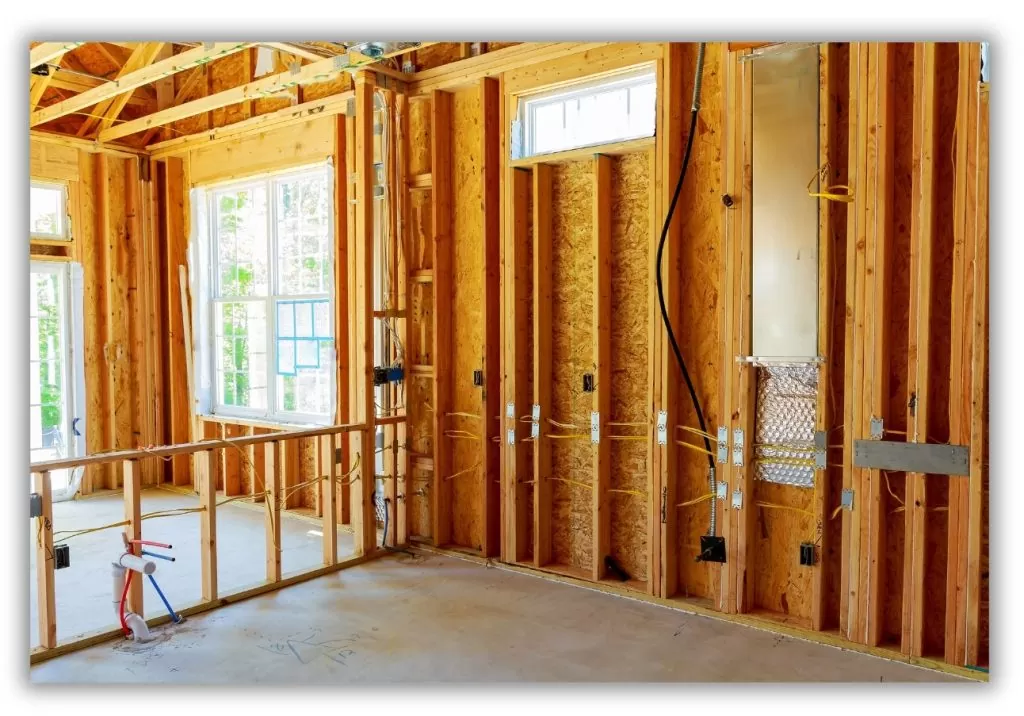
Termite workers never sleep; they chew through wood 24/7 in search of food for the colony.
As long as they can access untreated wood, termites will stay busy and hidden behind your walls.
Termite Colonies Are Built for Survival
Termites are organized and efficient. Both subterranean and drywood termites live in structured colonies made up of workers, soldiers, and reproductive members. Each caste has a job, and none of them involves leaving your property without a fight.
Without professional treatment or environmental disruption, termite colonies will only grow larger and more destructive over time.
Conditions Around Your Home Encourage Them
Even if you’ve never seen a termite, the environment around your home may be inviting them in. These pests thrive in areas with moisture, warmth, and shelter—three things that are easy to overlook.
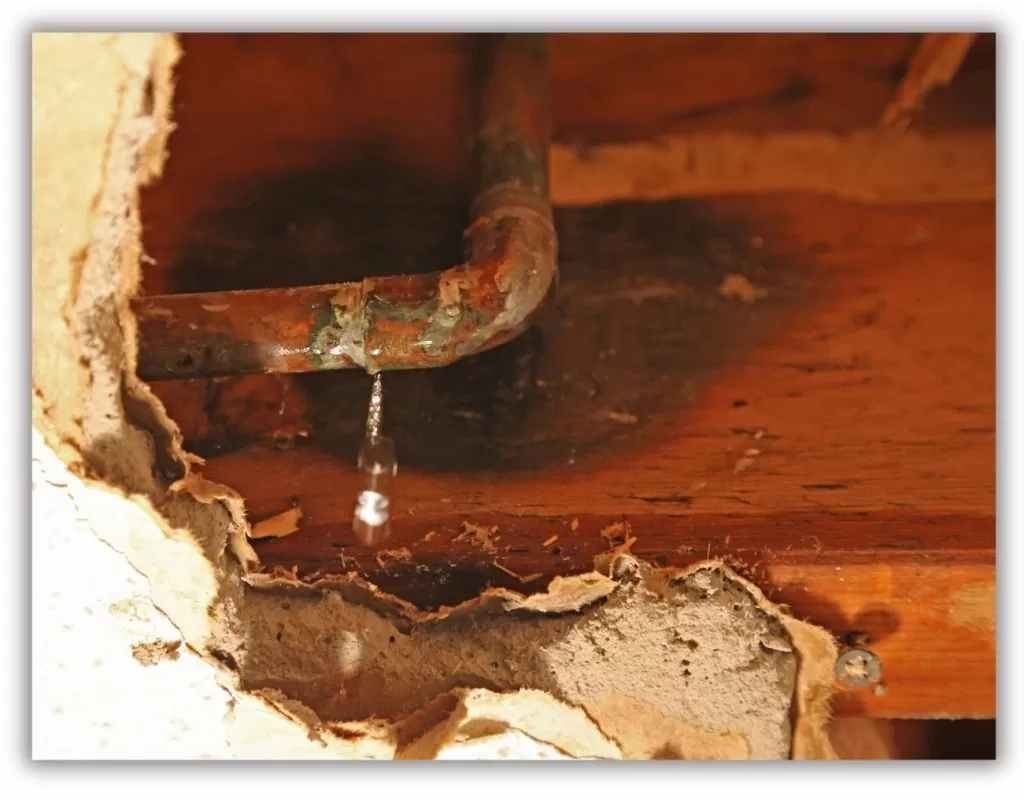
Small plumbing leaks, standing water near the foundation, or wood-to-soil contact under a deck can all create a termite hotspot.
Once termites find ideal conditions, they rarely leave on their own.
What Happens if Termites Leave Untreated
Here is what happens if you leave termites untreated:
- The termtie colony grows. A drywood colony adds hundreds of new workers and reproductives each year.
- Damage spreads. Termites move from one wood member into adjacent farming, flooring, and sheathing.
- Structural members weaken. Load-bearing beams, floor joists, and wall framing lose strength over 2 to 5 years.
- Repair costs multiply: An early infestation coasting $400 to treat can become a $15,000 structural repair if ignored.
Will Termites Ever Leave on Their Own?
Some homeowners assume termites will eventually exhaust the wood supply and move on. They DON’T. Termites don not run out of food in a typical Los Angeles home, they reproduce to match the food supplu. As long as the wood is accessible, the colony expands.
The only natural ways a colony declines are:
- The queen dies and no replacement takes over (rare in established colonies).
- Subterranean termites lose access to moisture (difficult inside a home).
- The food source is completely exhausted (takes 20 to 40 yeards in an average home).
None of these apply to a typical LA home. Los Angeles has mild year-round tempratures, abundant wood framing in older construction, and frequent moisture from irrigation, condensation, and plumbing.
👉 It’s always safer and more affordable to take action early. Schedule a professional inspection to stop termites before they cause lasting damage.
Signs That Termites Are Still Active
Termites often go unnoticed until the damage is already extensive. Keep an eye out for these warning signs that termites are still active on your property:
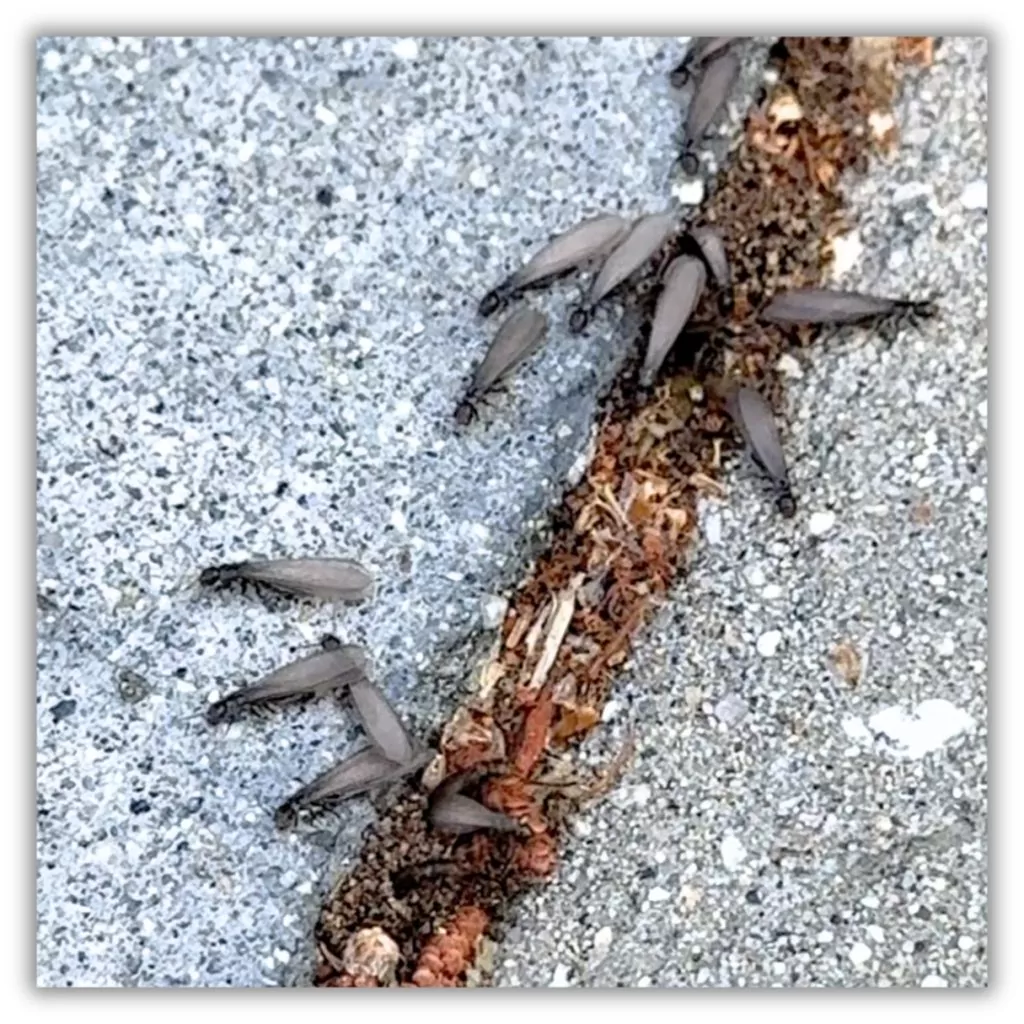
- Mud tubes on walls, piers, or near your home’s foundation
(These act as protective tunnels for subterranean termites.) - Discarded wings or New piles of frass (termite droppings) appearing below wood surfaces or windowsills.
(Swarming termites shed their wings after finding a place to start a new colony.) - Hollow-sounding wood when you tap on beams, walls, or floors
(This often means termites have eaten the inside of the wood, leaving only a thin shell.) - Doors and windows becoming harder to open or close, a sign of wood distortion.
- Paint bubbling or wood surfaces that sound hollow when tapped.
(Moisture from termite activity can warp surfaces and mimic water damage.) - Flying termites (swarmers) emerging from walls, floors, or ceilings.
Any one of these signs means the colony is active now. Multiple signs mean the infestations is advances. Hurry up to get rid them.
Why Ignoring Termites Can Be a Costly Mistake
Termites work silently, but their impact is loud when it hits your wallet. Loa Angeles homeowners who delay termite treatment gives the colony time to grow and that means more damage to your home.
The Damage Gets Worse Over Time
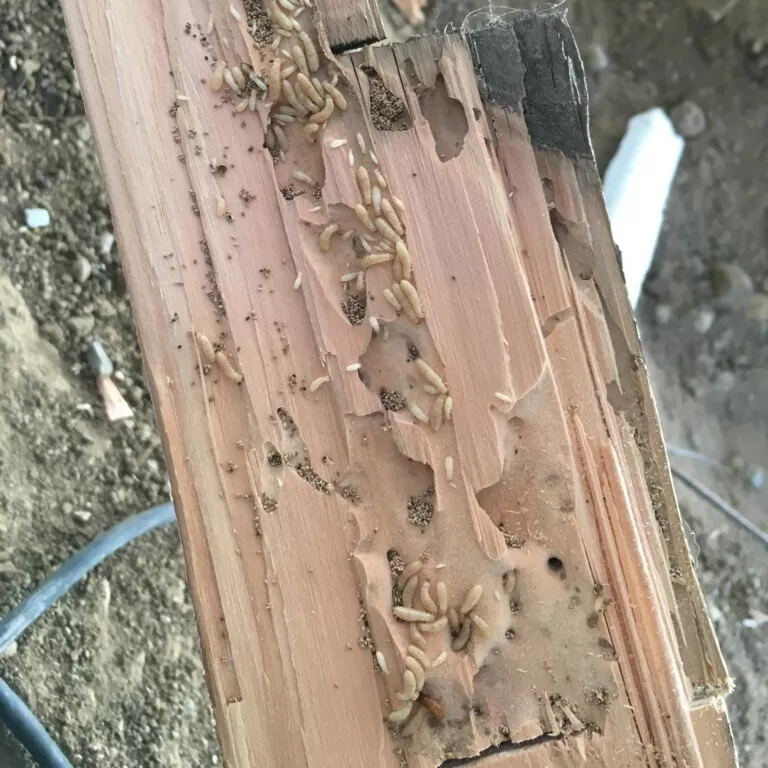
Termites eat continuously and can cause heavy structural repair cost. Left untreated, they can compromise the structural integrity of your walls, beams, floors, and foundation
.
The longer you wait, the more extensive (and expensive) the repairs become. What could’ve been handled with simple spot treatment might turn into full fumigation and wood replacement down the road. Higher treatment costs as the infestation spreads and requires more extensive fumigation or multiple treatment areas
Find out more information about our repair services here:
Insurance Doesn’t Cover Termite Damage
Most homeowners are shocked to discover that termite damage isn’t covered by standard homeowners insurance. Why? Because insurance companies consider it preventable with regular maintenance and inspections.
That means any structural damage, repairs, or relocation due to termites comes out of your own pocket.
In Los Angeles, Real estate system, California requires a termite report for most property sales. Active infestations must be disclosed and remediated. A professional termite inspection is free and takes about an hour. Acting early is always significantly cheaper than acting after damage is visible
👉 Don’t let termites drain your savings. Protect your home before it’s too late—schedule an inspection with My Termite Company today.
How to Get Rid of Termites and Keep Them Away
Getting rid of termites requires more than luck, it takes strategy, expertise, and a long-term plan. Here’s how to protect your home from these persistent invaders:
Use Professional Treatments
Professional grade treatments are the fastest and most effective way to eliminate an entire termite colony.
Whether it’s:
Full fumigation to target severe infestations
Liquid barriers that create invisible protection around your foundation
Bait systems that wipe out colonies from within
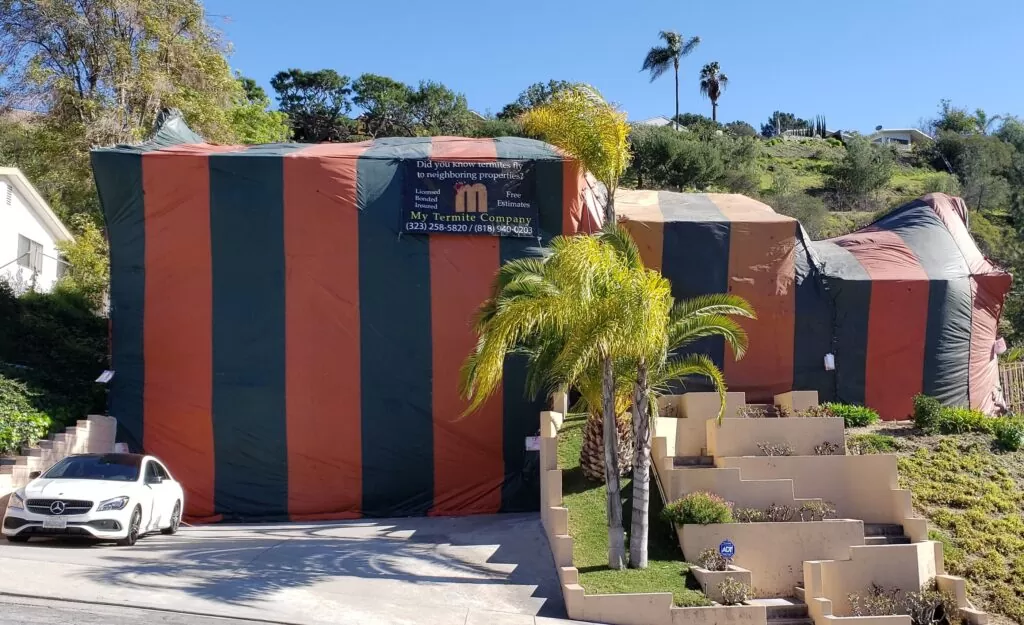
Each method is designed to attack the colony and stop termites in their tracks.
Consider DIY for Small Problems
For very light or early infestations, some homeowners try DIY methods like:
- Boric acid
- Orange oil
- Diatomaceous earth
These natural remedies can help with small, visible termite activity—but they rarely reach hidden or deep colonies. DIY is best used as a stopgap, not a long-term solution.
Schedule Routine Inspections
Prevention is always cheaper than repairs. Regular inspections can:
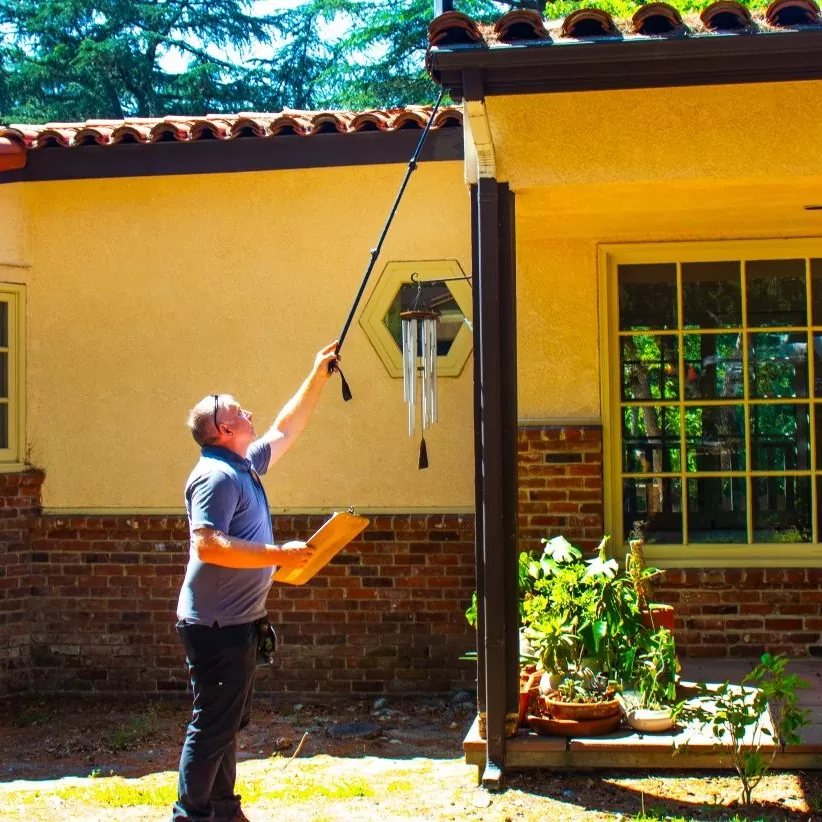
- Catch termite activity before it spreads
- Identify moisture issues and wood-to-soil contact
- Give you peace of mind year-round
A licensed termite inspector knows exactly where to look and what to flag before damage becomes visible.
What Treatment Options Are Available in Los Angeles?
The right treatment depends on the type of termites and the extent of the infestation. A licensed inspector will assess your home and recommend the most appropriate approach.
Treatment | Best For | Disruption Level | Effectiveness |
Fumigation (Tenting) | Widespread drywood termite infestation – multiple areas, inaccessible wood | High – 2 to 4 days away from home | 100% of termites in all life stages eliminated |
Spot Treatment | Small, localized, accessible infestation with known colony location | Low – no need to leave home | Effective for contained infestations only |
Heat Treatment | Chemical sensitive households or localized areas | Medium, specific areas treated | Effective for treated zone; may miss adhacent colonies |
Termite Monitoring | Precention and early detection after treatment | None | Does not eliminate existing colony; detects new activity |
Don’t Wait for Termites to Leave – Make Them
Termites are persistent, quiet, and destructive. They won’t leave just because you ignore them. In fact, the longer they stay, the more damage they cause—often without visible signs until it’s too late.
If you act early, you can stop an infestation before it turns into a full-blown structural issue. Protecting your home doesn’t have to be complicated—but it does require action.
✅ Professional help means long-term protection, expert treatment options, and real peace of mind.
At My Termite Company, we’re here to help you kick termites out for good.
What My Termite Company Can Do For You
At My Termite Company, we help homeowners protect what matters most – their home, their investment, and their peace of mind.

We can do:
Schedule an Inspection Today!

Click here to schedule an inspection today!
Rest assured you will be provided with expert guidance and a professional service!
